

Tanzania stands as the crown jewel of African safari destinations, offering an unparalleled combination of diverse wildlife, stunning landscapes, and authentic wilderness experiences. From the endless plains of the Serengeti to the breathtaking Ngorongoro Crater, a safari in Africa Tanzania promises encounters with nature that will remain etched in memory forever.
Why Choose Tanzania for Your African Safari
Tanzania encompasses approximately 945,000 square kilometers of East African territory, with nearly one-third designated as protected conservation areas. This commitment to wildlife preservation has created one of the most spectacular safari destinations on the planet. The country hosts the largest concentration of wildlife in Africa, including the Big Five—lions, leopards, elephants, buffalo, and rhinoceros—alongside countless other species that roam freely across vast ecosystems.
The Tanzanian safari experience differs significantly from other African destinations due to its sheer scale and variety. Whether you’re watching wildebeest thunder across the Serengeti during the Great Migration, observing tree-climbing lions in Lake Manyara, or tracking chimpanzees in the Mahale Mountains, Tanzania delivers experiences that satisfy every type of wildlife enthusiast.
Premier Safari Destinations in Tanzania
Serengeti National Park
The Serengeti represents the quintessential African safari landscape. Spanning 14,750 square kilometers, this UNESCO World Heritage Site hosts the world-famous Great Migration, where over two million wildebeest, zebras, and gazelles move in a continuous cycle following seasonal rains. The park’s name derives from the Maasai word “siringet,” meaning endless plains, an apt description for this vast wilderness.
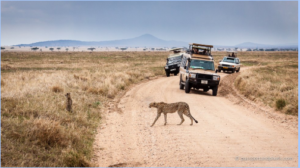
Beyond the migration spectacle, the Serengeti maintains healthy populations of predators, including approximately 3,000 lions, making it one of the best places globally for big cat sightings. The kopjes—rocky outcrops scattered across the plains—serve as perfect vantage points for leopards and provide den sites for lion prides. Cheetahs utilize the open grasslands for high-speed pursuits, while spotted hyenas patrol constantly, their whooping calls echoing across the savannah at night.
Ngorongoro Conservation Area
The Ngorongoro Crater stands as one of nature’s most remarkable creations. This massive volcanic caldera, formed approximately three million years ago, creates a natural amphitheater spanning 260 square kilometers with walls rising 600 meters above the crater floor. The crater functions as a self-contained ecosystem, supporting around 25,000 large mammals in permanent residence.
Game viewing in Ngorongoro proves exceptional year-round due to the permanent water sources and lush grazing areas within the crater. Black rhinoceros find sanctuary here, making Ngorongoro one of the most reliable places in East Africa to spot these critically endangered animals. The crater’s lion population exhibits unique genetic characteristics due to their relative isolation, and elephant bulls with enormous tusks frequently traverse the crater floor.
Tarangire National Park
Often overlooked by safari itineraries focused solely on the Serengeti and Ngorongoro, Tarangire National Park deserves equal recognition. During the dry season from June through October, Tarangire transforms into a wildlife magnet as the Tarangire River becomes one of the few permanent water sources in the region. Elephant populations here reach staggering concentrations, with herds numbering in the hundreds gathering around shrinking water sources.
The park’s distinctive landscape features ancient baobab trees that dwarf the elephants walking beneath them, creating photographic opportunities unlike anywhere else in Tanzania. Tarangire also hosts healthy populations of lesser-known species including fringe-eared oryx, gerenuk, and the peculiar long-necked gerenuk antelope that stands on its hind legs to browse high branches.
Lake Manyara National Park
Compact yet remarkably diverse, Lake Manyara National Park compresses an extraordinary variety of habitats into a relatively small area. The park’s famous tree-climbing lions exhibit unusual behavior, lounging in acacia branches to escape ground-level heat and insects. While this behavior occurs elsewhere in Africa, Manyara’s lions display it more consistently, making sightings more probable.
The alkaline lake attracts thousands of flamingos during certain seasons, painting the shoreline pink, while the groundwater forest hosts troops of baboons and blue monkeys. The park’s varied ecosystems—from dense woodland to open grassland and wetland areas—support over 400 bird species, making it a paradise for ornithologists.
Selous Game Reserve and Ruaha National Park
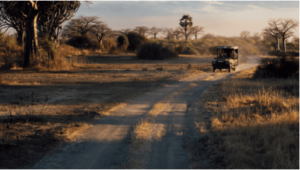
Southern Tanzania remains less visited than the northern circuit, yet these parks offer exceptional wilderness experiences with far fewer tourists. Ruaha National Park, Tanzania’s largest protected area, provides rugged, remote safari experiences where you might not see another vehicle all day. The Great Ruaha River serves as the park’s lifeblood, attracting massive herds of elephants and buffalo during the dry season.
Selous Game Reserve, recently renamed Nyerere National Park, permits walking safaris and boat safaris along the Rufiji River, adding variety to traditional game drives. Watching hippos and crocodiles from water level provides perspectives impossible from safari vehicles, while walking safaris connect visitors more intimately with the African bush.
Planning Your Tanzania Safari
Best Time to Visit
Tanzania offers year-round safari opportunities, though wildlife viewing quality varies seasonally. The dry season from June through October provides optimal game viewing as animals concentrate around permanent water sources and sparse vegetation improves visibility. This period coincides with the Great Migration river crossings in the northern Serengeti, creating the most dramatic wildlife spectacles.
The short rains from November through December bring lush green landscapes and newborn animals, particularly in the southern Serengeti where wildebeest calving occurs in January and February. The long rains from March through May produce the least favorable conditions for game drives due to muddy roads and thick vegetation, though this green season offers dramatically lower prices and near-empty parks for those who don’t mind occasional showers.
Safari Styles and Accommodation Options
Tanzania accommodates every safari style and budget level. Luxury lodges provide five-star amenities in spectacular wilderness settings, with private decks overlooking waterholes where elephants drink at sunset. These establishments offer gourmet cuisine, swimming pools, spa treatments, and expertly guided game drives in comfortable vehicles.
Tented camps range from mobile operations that follow the migration to permanent structures built on raised platforms. Despite the canvas walls, many tented camps deliver luxury comparable to the finest lodges, complete with flush toilets, hot showers, and comfortable beds. The authentic sounds of the African night—lions roaring, hyenas calling, hippos grunting—penetrate canvas more readily than solid walls, enhancing the wilderness experience.
Budget-conscious travelers can select camping safaris that utilize public campsites within national parks. These basic facilities provide essential amenities while keeping costs minimal. Mid-range options offer comfortable accommodation without luxury price tags, making Tanzania safaris accessible to broader audiences.
Choosing Your Safari Operator
Selecting the right safari operator significantly impacts your Tanzania experience. Established operators employ knowledgeable guides who understand animal behavior, identify bird species, and share insights about ecosystems and conservation challenges. Experienced guides know where to find specific animals, maximizing your wildlife sightings while respecting animal welfare and park regulations.
Responsible operators maintain their vehicles properly, ensuring reliability in remote areas where breakdowns could ruin precious safari time. They also employ fair labor practices, pay guides appropriately, and contribute to local communities and conservation efforts. Reading reviews from previous clients provides valuable insights into operator quality, guide expertise, and overall value.
Wildlife Beyond the Big Five
While most visitors prioritize the Big Five, Tanzania hosts extraordinary biodiversity that extends far beyond these famous species. The country supports the largest population of cheetahs in Africa, with the Serengeti providing optimal habitat for these speed specialists. Wild dogs, among Africa’s most endangered carnivores, maintain small populations in Selous and Ruaha, though sightings require considerable luck.
Antelope diversity staggers the imagination, from the massive eland weighing up to 900 kilograms to the tiny dik-dik standing just 40 centimeters tall. Grant’s and Thomson’s gazelles populate the plains in vast numbers, while gerenuk and lesser kudu inhabit drier bushlands. Waterbuck, topi, hartebeest, and various species of reedbuck add to the herbivore bounty that supports Tanzania’s predator populations.
Primate enthusiasts can encounter several species, including olive baboons, vervet monkeys, and blue monkeys commonly seen in most parks. More specialized primate experiences await in western Tanzania, where chimpanzee tracking in Gombe Stream and Mahale Mountains National Parks brings visitors face-to-face with our closest living relatives.
Cultural Experiences
A safari in Africa Tanzania extends beyond wildlife viewing to encompass rich cultural encounters. The Maasai people maintain their traditional pastoral lifestyle in areas surrounding many parks, and cultural visits provide insights into their customs, beliefs, and challenges. These interactions, when conducted respectfully through established programs, benefit local communities while educating visitors about indigenous cultures.
Archaeological sites like Olduvai Gorge within the Ngorongoro Conservation Area offer perspectives on human evolution. This famous paleontological site yielded fossils and artifacts spanning millions of years, earning its reputation as the “Cradle of Mankind.” Visiting Olduvai adds historical and scientific dimensions to your safari experience.
Conservation and Sustainable Tourism
Tanzania faces significant conservation challenges despite its impressive protected area network. Human-wildlife conflict increases as human populations expand into traditional wildlife corridors. Poaching, while reduced from peak levels in the 1980s, continues threatening elephants and rhinoceros. Climate change alters rainfall patterns, affecting the delicate balance of predator-prey relationships and migration timing.
Responsible safari tourism contributes directly to conservation by demonstrating wildlife’s economic value to local communities. Park entry fees fund anti-poaching patrols, habitat restoration, and community development projects. Choosing operators committed to sustainable practices ensures your safari supports rather than undermines the natural systems you’ve come to experience.
Many lodges and camps implement eco-friendly practices including solar power, water conservation, waste recycling, and locally-sourced food. Some establishments actively participate in conservation projects, monitoring wildlife populations, supporting anti-poaching units, or funding environmental education programs in nearby communities.
Photography on Safari
Tanzania provides endless photographic opportunities, from dramatic predator-prey interactions to ethereal sunrise landscapes. Successful wildlife photography requires appropriate equipment, though you don’t necessarily need professional gear to capture memorable images. A telephoto lens in the 200-400mm range proves most useful for wildlife subjects, while a wide-angle lens captures sweeping landscape vistas.
Understanding animal behavior helps anticipate photographic moments before they occur. Experienced guides recognize behavioral cues indicating imminent action—a lion crouching before a stalk, a cheetah scanning for prey, elephants preparing to charge. These insights enable photographers to prepare their cameras and capture decisive moments.
Golden hour light—the first hour after sunrise and the last hour before sunset—produces the most flattering illumination for wildlife photography. Most safari schedules accommodate this, with early morning and late afternoon game drives bracketing the midday hours when harsh overhead light creates unflattering shadows and animals rest in shade.
Health and Safety Considerations
Tanzania safaris involve minimal risk when undertaken with reputable operators who prioritize guest safety. Wild animals generally ignore safari vehicles, viewing them as non-threatening entities. Following guide instructions—remaining seated, keeping voices low, not standing or waving—ensures encounters remain safe for both visitors and wildlife.
Malaria occurs in most safari areas below 1,800 meters altitude, though risk varies seasonally. Consulting travel medicine specialists several months before departure allows time for vaccinations and antimalarial medication. Additional health precautions include drinking only bottled or purified water, applying sunscreen liberally, and using insect repellent containing DEET.
Travel insurance covering medical evacuation provides peace of mind, though serious incidents rarely occur. Most safari lodges maintain communication equipment for emergency situations, and flying doctor services operate throughout Tanzania’s major safari areas.
Extending Your Safari
Many visitors combine their Tanzania safari with additional experiences that showcase the country’s diversity. The Zanzibar Archipelago, located off Tanzania’s coast, offers pristine beaches, historic Stone Town, and exceptional snorkeling or diving opportunities. This combination of bush and beach creates the perfect safari conclusion, allowing time to process wildlife encounters while relaxing by turquoise waters.
Mount Kilimanjaro, Africa’s highest peak, challenges thousands of climbers annually. While reaching Uhuru Peak requires several days of trekking at high altitude, shorter hikes explore Kilimanjaro’s lower slopes and montane forests without summit aspirations. Coffee plantation tours around Arusha and Moshi reveal the agricultural systems supporting Tanzania’s economy while providing cultural insights.
Conclusion
A safari in Africa Tanzania delivers experiences that transcend typical vacations, creating profound connections with the natural world. Whether witnessing the Great Migration’s thunderous river crossings, watching a leopard hoist its kill into an acacia tree, or simply absorbing the vast Serengeti plains stretching to distant horizons, Tanzania imprints itself permanently on visitor consciousness.
The country’s commitment to conservation, combined with well-developed tourism infrastructure and remarkable wildlife diversity, positions Tanzania as the premier African safari destination. From luxury travelers seeking pampered wilderness experiences to adventurous souls camping under canvas, Tanzania accommodates all preferences while maintaining the wild authenticity that makes safaris so compelling.
Planning carefully, choosing responsible operators, and approaching the experience with appropriate expectations ensures your Tanzania safari becomes a highlight among life’s greatest adventures. The memories created—elephants silhouetted against crimson sunsets, lions roaring in the darkness, wildebeest migrations stretching beyond sight—remain vivid long after returning home, calling you back to Tanzania’s wild spaces.
Key Takeaways
- Tanzania offers Africa’s most diverse and concentrated wildlife viewing opportunities with approximately one-third of the country designated as protected conservation areas
- The northern safari circuit including Serengeti, Ngorongoro, Tarangire, and Lake Manyara provides accessible year-round wildlife experiences
- The Great Migration represents nature’s most spectacular wildlife event, with over two million animals moving continuously through the Serengeti-Mara ecosystem
- Dry season months from June through October deliver optimal game viewing conditions with concentrated wildlife and improved visibility
- Safari styles range from budget camping to ultra-luxury lodges, making Tanzania accessible across different budgets and comfort preferences
- Responsible tourism directly supports conservation efforts and provides economic incentives for wildlife protection
- Southern parks like Ruaha and Selous offer remote, uncrowded wilderness experiences with diverse activities including walking and boat safaris
- Cultural encounters with Maasai communities and visits to archaeological sites add valuable context to wildlife experiences
- Combining safari experiences with Zanzibar beach relaxation or Kilimanjaro trekking creates comprehensive Tanzania adventures
- Choosing experienced, ethical safari operators significantly enhances wildlife sightings, safety, and overall experience quality
Frequently Asked Questions
How much does a Tanzania safari cost?
Tanzania safaris vary dramatically in price depending on accommodation level, season, and duration. Budget camping safaris start around $150-250 per person daily, mid-range lodge safaris run $300-500 daily, while luxury options exceed $800-1,500 per person per day. These rates typically include accommodation, meals, park fees, game drives, and guide services but exclude international flights, visas, and tips.
Is Tanzania safe for safari travelers?
Tanzania maintains excellent safety records for safari tourists. Wildlife encounters follow established protocols that prioritize guest safety, and serious incidents rarely occur. The main safari areas experience minimal crime affecting tourists. Standard precautions—securing valuables, avoiding isolated areas after dark, using reputable operators—ensure safe, enjoyable experiences.
What should I pack for a Tanzania safari?
Essential items include neutral-colored clothing (khaki, olive, beige) that doesn’t attract tsetse flies, a wide-brimmed hat, quality sunglasses, high-SPF sunscreen, insect repellent, binoculars, camera equipment with telephoto lens, comfortable walking shoes, light jacket for cool mornings, and any prescription medications. Most lodges provide laundry services, reducing luggage requirements.
Do I need special vaccinations for Tanzania?
Yellow fever vaccination is required only for travelers arriving from yellow fever endemic countries, though many travelers obtain it anyway for entry into other African nations. Recommended vaccinations include hepatitis A and B, typhoid, and routine immunizations. Antimalarial medication is advised for most safari areas. Consult travel medicine specialists 6-8 weeks before departure.
Can I see the Great Migration year-round?
The Great Migration occurs continuously as animals follow rainfall patterns in a circular route through the Serengeti-Mara ecosystem. However, specific events occur seasonally: calving in southern Serengeti during January-February, western corridor river crossings from June-July, northern Serengeti/Masai Mara crossings from August-October. Timing your visit determines which phase you’ll witness.
How long should I spend on safari in Tanzania?
Most visitors allocate 5-7 days for northern circuit safaris, allowing adequate time in Serengeti, Ngorongoro, and one or two additional parks without feeling rushed. Longer itineraries of 10-14 days permit exploration of southern parks or combination trips including Zanzibar. Shorter 3-4 day safaris provide introductions but may feel hurried given travel distances between parks.
Are Tanzania safaris suitable for children?
Many lodges and camps welcome families, though age restrictions vary by property. Some safari vehicles accommodate children of all ages, while others require minimum ages of 6-12 years for safety and to avoid disturbing other guests. Private safari options provide flexibility for families. The educational value and wonder of wildlife encounters create memorable family experiences when appropriate arrangements are made.
What’s the difference between Tanzania’s northern and southern safari circuits?
The northern circuit (Serengeti, Ngorongoro, Tarangire, Lake Manyara) offers superior infrastructure, more accommodation options, and guaranteed year-round wildlife viewing, particularly the Great Migration. The southern circuit (Ruaha, Selous/Nyerere) provides remote wilderness experiences with fewer tourists, walking safaris, and boat safaris but requires more time to access and operates seasonally during dry months.